
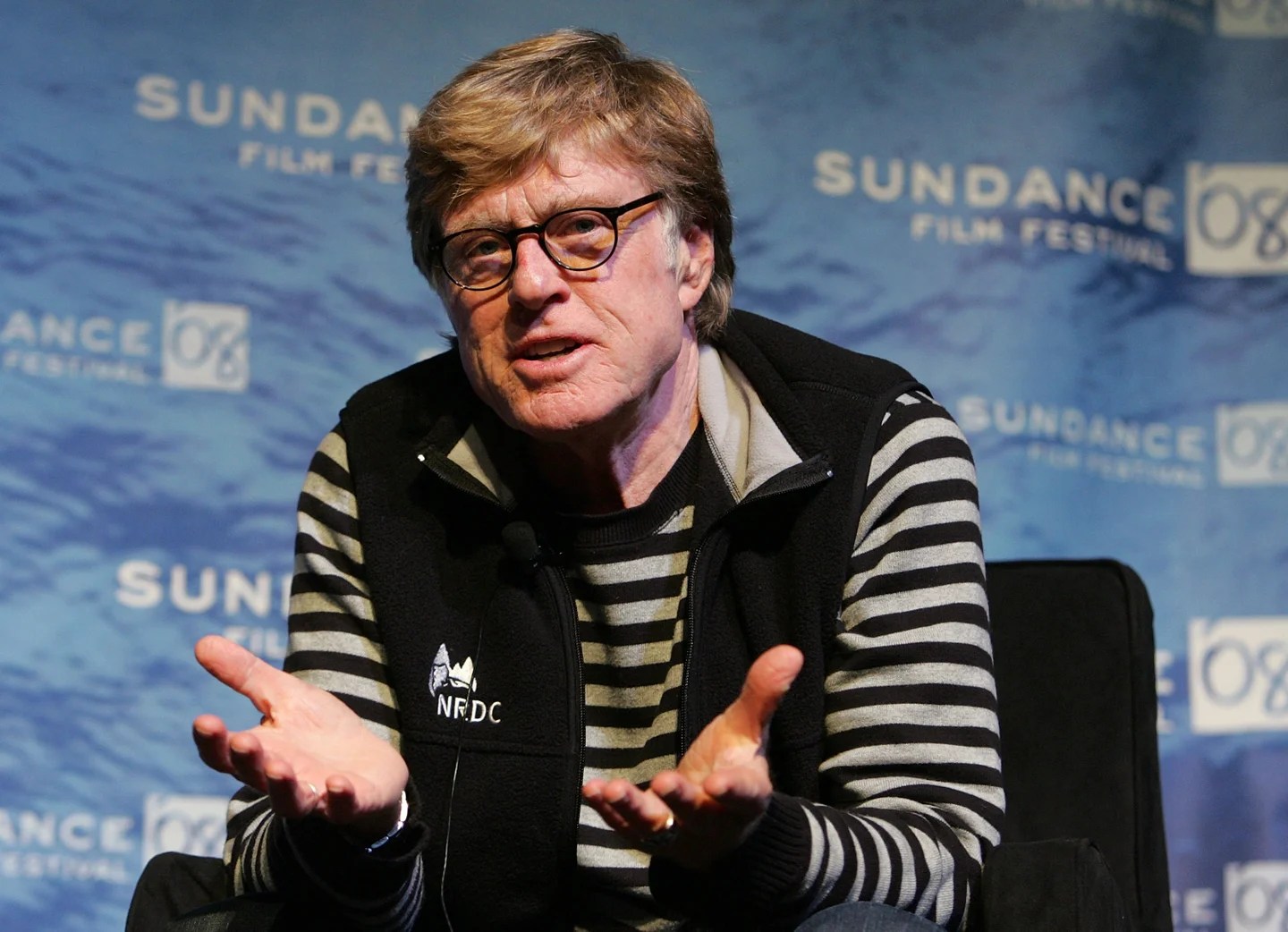
Over this past year, some of the greats within the film industry have sadly passed away, our most recent loss being that of Robert Redford. Seen as the golden boy of Hollywood, Redford’s impact within the industry is undeniable. Following his death on September 16th, many paid tribute to his memory, such his long-term co-star and friend Jane Fonda describing him as a beautiful person that “stood for an America we have to keep fighting for”, whilst Meryl Streep wrote “One of the lions has passed. Rest in peace my lovely friend” in reference to the movie Lions for Lambs, in which they starred in together. Before his passing, Redford was held in high regard, partly from his roles in box office hits such as The Candidate and Ordinary People, alongside his directorial work on features such as Ordinary People. His activism wasn’t something to ignore either; Redford dedicated his efforts towards LGBTQ and Indigenous rights. Another key achievement of his is his role in the creation of the Sundance Film Festival, aptly named after his character in the 1969 western comedy, Butch Cassidy and the Sundance Kid.
The festival started off in Utah in 1978, under a simpler title of ‘Utah/United States Film Festival’ and held at the heart of Salt Lake City. Most of the early screenings focused on exhibiting retrospective presentations and discussions surrounding the movies submitted, with the focus being on celebrating indie American filmmakers. Redford then took over, establishing the Sundance Institute in 1981, but even through his own admission, the festival still struggled the next couple of years until the movie Sex, Lies and Videotape came out and garnered wider attention for the festival. As cliché as it sounds, Redford’s love for the American landscape is what really pushed him to take over the festival, wanting potential filmmakers to enjoy the nature around them and let it feed their creativity. The mission statement for the festival had evolved over the years, originally focusing on increasing visibility for Utah as a filming location. This initial focus can still be seen in its later, more developed position as an alternative festival for American and international independent cinema, showing a desire to move away from systems that wouldn’t allow for alternative forms of cinema to thrive.
And thrive it did, with the festival allowing for many indie directors to start off and draw attention to themselves. Quentin Tarantino’s directorial debut, Reservoir Dogs, was featured at the festival in 1991, helping solidify Tarantino’s filmmaking style and put his name out in the filmmaking world. In general, many of the movies showcased at the festival ended up redefining their respective genres, standing the test of time and making it into many a Letterboxd top four list. The Blair Witch Project was featured in the Sundance Film Festival, a film that to this day is still championed as one of the best found footage movies in the horror genre. Donnie Darko followed in a similar vein, the unique genre mix supported by Jake Gyllenhaal’s dedicated performance, allowing for the ambiguous plot to still remain culturally relevant decades later. American Psycho has had a heavy presence in pop culture too, the satirical film focusing on the disastrous effects patriarchy and corporate culture have on men, especially looking at the violence it breeds – once again, premiering at the Sundance Film Festival. Whiplash is another titular release that was supported by the Festival both as the predecessor short film that premiered in 2013, and later in 2014, the feature-length version with JK Simmons and Miles Teller’s dynamic on-screen chemistry. The list could keep going, with giants such as Little Miss Sunshine, Primer, Memento, and CODA all being included.
Over the years, the Sundance Film Festival has started to evolve. Alongside that, as the cinema landscape grows over the years, so do the expectations from the viewers about the sort of core ideals to which the festival should adhere. The festival champions itself to be progressive and inclusive to all, going on to develop new categories, from the category ‘New Frontier’ which concentrates on experimental storytelling, all the way to the section ‘Midnight’ which is for all movies that defy categorisation. Ultimately, the festival has adapted to the times and built on its core, which has allowed for marginalised stories to be told and boosted by the international recognition this festival receives. CODA from 2021 achieved such notoriety, going on to win all three Academy Awards for which it was nominated, and was praised by the deaf community. It is a beautiful thing that Robert Redford helped create, and one that is essential to the cinema ecosystem for independent art to be in the limelight.
Darcy Frolova [She/Her]
[@Ohlookitsdarcy]

 qmunicatemagazine.co.uk